The Role of Electric Cell Signaling Technology
Recovery from injury, surgery, or chronic conditions often involves periods of immobility that can lead to disuse atrophy—the gradual weakening and shrinking of muscles due to inactivity. This condition is not only frustrating for patients but can also complicate recovery, prolong rehabilitation, and reduce overall quality of life.
Fortunately, advancements in electromedicine, like the neoGEN® System, are providing innovative ways to address disuse atrophy safely and effectively. By targeting the underlying causes of muscle weakening and supporting natural recovery processes, this cutting-edge technology is giving patients new hope during their healing journeys.
What Is Disuse Atrophy?
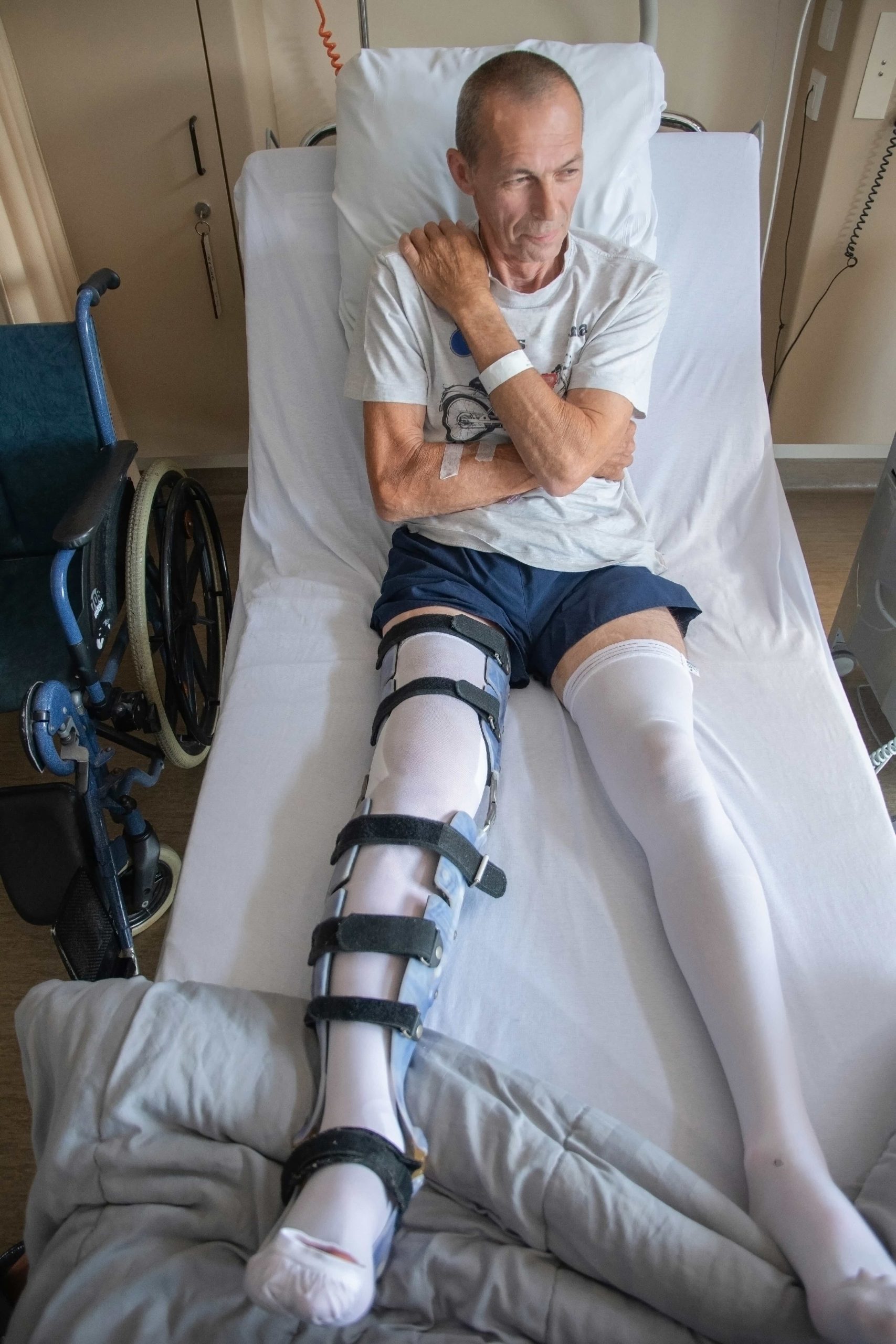
Disuse atrophy occurs when muscles are not used for an extended period. This can happen after:
- Surgery: Patients may experience limited mobility during recovery, particularly after orthopedic or abdominal surgeries.
- Injury: Conditions such as fractures or joint injuries often require immobilization, leading to muscle weakening.
- Chronic Conditions: Chronic pain, arthritis, or neurological conditions may discourage physical activity, contributing to atrophy.
When muscles aren’t regularly engaged, they lose strength and mass. Over time, this can make movement more difficult and increase the risk of further complications, such as joint stiffness or balance issues.
How Electric Cell Signaling Technology Can Help
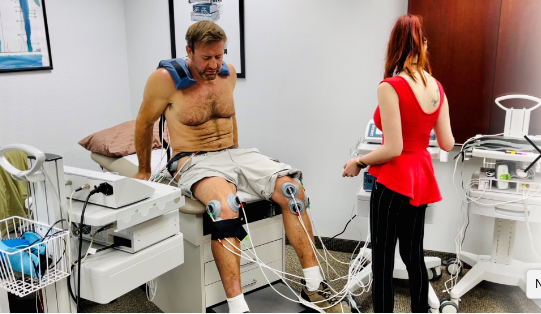
The neoGEN® System, a state-of-the-art electromedical device, offers a safe and non-invasive solution for preventing or slowing disuse atrophy. By delivering Electric Cell Signaling Treatments (EcST), the neoGEN® System stimulates muscles and nerves, helping maintain their function during periods of reduced activity.
Here’s how it works:
- Stimulating Muscle Activity: The neoGEN® System uses therapeutic electric energy waves to activate muscle fibers, mimicking natural contractions. This helps maintain muscle tone and strength even when physical movement is limited.
- Improving Local Circulation: Enhanced blood flow ensures that oxygen and nutrients reach the affected muscles, supporting tissue health and recovery.
- Re-Educating Neuromuscular Pathways: The device helps retrain the connection between nerves and muscles, promoting coordinated movement and function as patients regain mobility.
- Relaxing Muscle Spasms: By relieving stiffness and discomfort, the neoGEN® System allows patients to move more comfortably, reducing the risk of further atrophy.
Why Prevention Matters
Preventing disuse atrophy isn’t just about maintaining muscle strength—it’s also about setting the stage for a smoother recovery. Muscles that retain their tone and function during periods of immobility respond better to rehabilitation efforts, helping patients regain independence faster.
For patients recovering from surgery, injury, or chronic conditions, the neoGEN® System offers a proactive approach to preserving muscle health. Its ability to stimulate muscles without requiring physical activity makes it an ideal option for those unable to engage in traditional exercise.
A New Era in Recovery Support
Disuse atrophy doesn’t have to be an inevitable part of recovery. With advanced solutions like the neoGEN® System, patients can maintain muscle health and improve their chances of a full recovery. For healthcare providers, this innovative technology represents an opportunity to offer cutting-edge care that prioritizes both short-term relief and long-term outcomes.
If you or someone you know is recovering from surgery, injury, or a chronic condition, speak with your healthcare provider about how Electric Cell Signaling Treatments can support your journey. Together, we can make recovery faster, smoother, and more effective.
References
- National Institute of Neurological Disorders and Stroke (NINDS). “Disuse Atrophy: Causes and Prevention.” Available at nih.gov.
- Clinical studies and patient-reported outcomes on Electric Cell Signaling Treatment (EcST).