Pain Awareness Month is a time to recognize the widespread impact of chronic pain conditions and the need for effective, accessible solutions. While many discussions around pain focus on the lower back or joints, neck pain remains one of the most common and overlooked musculoskeletal complaints.
Whether it stems from poor posture, long hours at a desk, excessive screen time, past injuries, or underlying conditions, neck pain affects people of all ages and lifestyles. While some cases resolve on their own, persistent or chronic neck discomfort can disrupt daily life, limiting mobility, productivity, and overall well-being.
The Growing Impact of Neck Pain
Chronic pain is a major health concern, affecting more than 1 in 5 U.S. adults [1]. Neck pain, specifically, ranks among the top five causes of pain nationwide. In 2021, approximately 206 million people worldwide experienced neck pain, with 42 million new cases reported that year [2]. Given our increasing reliance on technology and modern work habits, these numbers are expected to rise, making early intervention and effective treatment strategies more important than ever.
For many, neck pain begins as an occasional stiffness – perhaps after a long day at work, a strenuous workout, or even just sleeping in an awkward position. However, without proper care, mild discomfort can escalate into chronic stiffness, reduced mobility, and radiating pain that extends to the shoulders, arms, or upper back.
Common contributors to neck pain include:
- Muscle strain from prolonged screen use or poor posture
- Injuries such as whiplash or falls
- Age-related conditions like cervical osteoarthritis or degenerative disc disease
- Nerve compression due to herniated discs or spinal stenosis
When pain becomes persistent, it can interfere with work, sleep, and even mental health – leading many to seek relief through stretching, heat therapy, or over-the-counter medications. But what happens when these solutions only provide temporary relief?
A Non-Invasive Approach to Supporting Recovery
For individuals looking beyond short-term symptom management, advancements in technology offer non-invasive, drug-free options that support the body’s natural recovery processes.
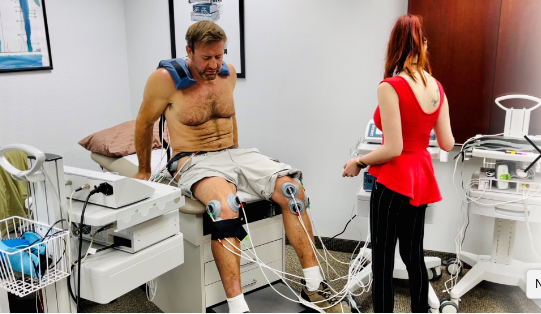
One such innovation is Electric Cell Signaling Treatment (EcST), delivered through the FDA-cleared neoGEN® System. Designed to support neuromuscular reeducation, muscle relaxation, and increased local circulation, EcST helps address underlying mechanisms of persistent neck pain and mobility challenges.
Whether integrated into a rehabilitation program or used as a standalone therapy, this approach offers a safe, effective option for those seeking to regain comfort and mobility without relying solely on medications.
By expanding awareness of available treatment options, Pain Awareness Month serves as a reminder that chronic pain is not something people have to live with—solutions exist to help improve quality of life. As awareness grows, healthcare providers play a critical role in guiding patients toward effective, non-invasive solutions that support long-term relief and mobility.
References
- Centers for Disease Control and Prevention (CDC). (2023). Prevalence of chronic pain and high-impact chronic pain among adults—United States, 2023. Morbidity and Mortality Weekly Report (MMWR), 72, 225-232.
- Wu, A., March, L., Zheng, X., Huang, J., Wang, X., Zhao, J., Blyth, F., Smith, E., Buchbinder, R., & Hoy, D. (2023). Global low back pain and neck pain burden from 1990 to 2020: Estimates from the Global Burden of Disease Study 2021. The Lancet Rheumatology, 5(3), e126-e137.